AI and children: OpenAI and Anthropic sign a Paris charter to protect young users
A non-binding charter on generative AI safety for children was unveiled on Tuesday at the Paris Peace Forum, backed by OpenAI and Anthropic. On the same day, an expert report handed to Emmanuel Macron warned of risks of cognitive weakening and emotional dependence.
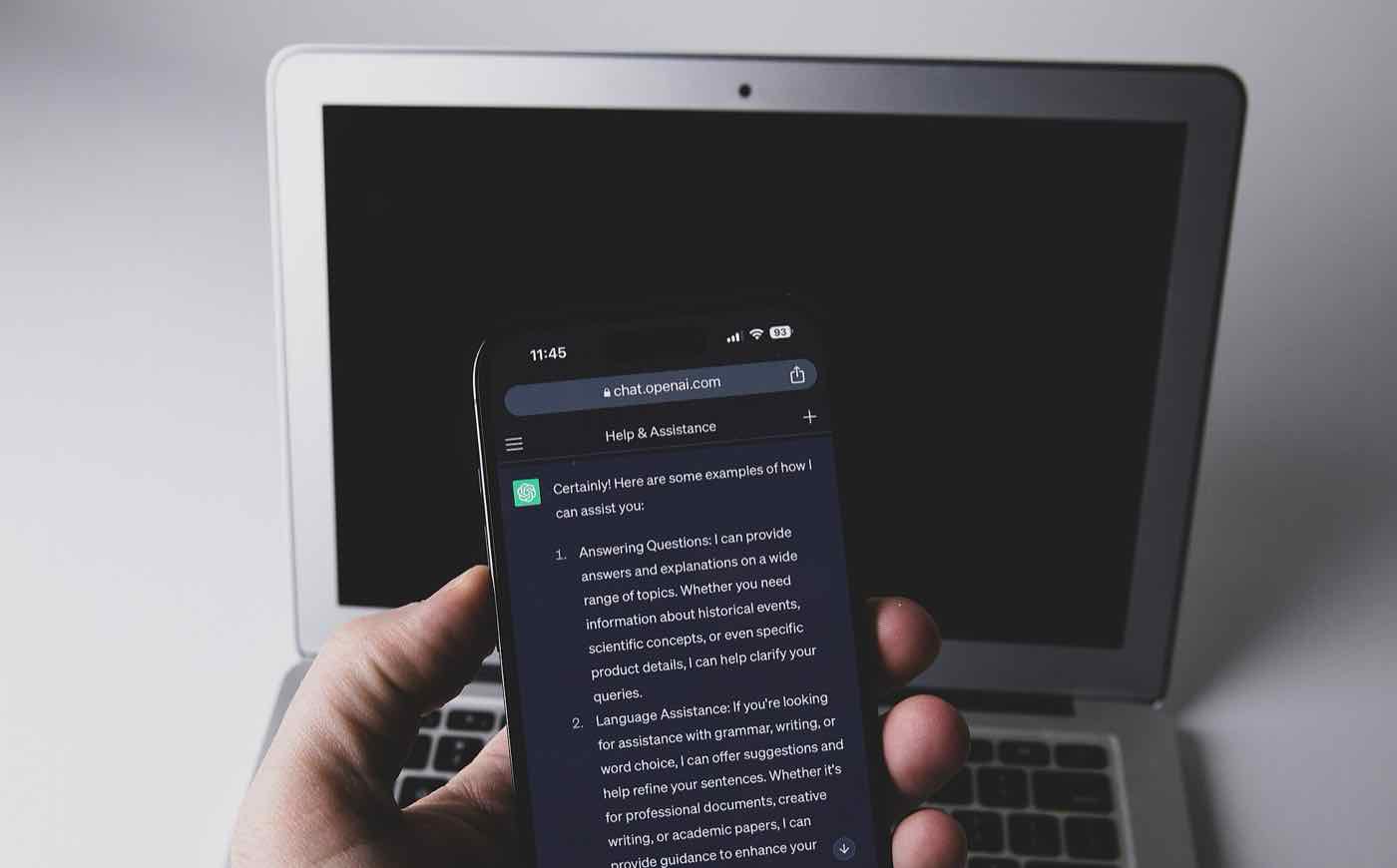
Paris wants guardrails on AI for children. A charter on generative AI safety for young people was made public on Tuesday 10 November at the Paris Peace Forum. The companies backing it include OpenAI, maker of ChatGPT, and Anthropic, maker of Claude, according to AFP. The text is not binding.
Its commitments are clear on paper. AI tools must not produce non-consensual sexual content or child sexual abuse material. Signatories pledge a high level of safety, privacy protection and security by design and by default, adapted to the different stages of childhood. Labs also commit to independent evaluations and to giving access to their models' data. Finally, a research programme is to study the risks and opportunities of AI for young users.
A report that sounds the alarm
The charter comes with a report handed the same day to Emmanuel Macron by a commission of nine experts, after 55 hearings with health professionals, researchers, companies and child protection groups. The figures set the scene: more than half of French people use generative AI, putting France fifth in the world, and nearly 70% of 15-24-year-olds use it regularly.
The commission's co-chair, psychiatrist Raphaël Gaillard, points to a risk of cognitive weakening: by handing thinking, decision-making or critical judgement over to AI, young people may never acquire those skills. He described the tools as attractive, and said users end up delegating skills to them.
The report also worries about disinformation and an emotional dependence fuelled by AIs that present themselves as human interlocutors and flatter users at the expense of the truth.
Macron wants risky uses banned
The French president had set the tone in an interview with Les Échos. He is pushing for European regulation and says companies would accept the principle of pre-auditing and pre-certifying models before children use them. If certain uses of AI pose a risk to children, he said, they must be banned.
On X, the president hailed the charter as a concrete step. Around fifty heads of state and government, international organisations, companies and researchers took part in discussions on AI risks, including the bosses of OpenAI, Anthropic and Mistral, according to Journal du Net.
What happens next
Everything will depend on future legislation. The charter is meant to inform national and European lawmaking, but no timetable or enforcement mechanism has been announced. Nor has the full list of signatories been published.