Hacked supermarket fridges: Paris blames Iran's Revolutionary Guards
Foreign Minister Jean-Noël Barrot on Monday blamed Iran's Revolutionary Guards for the October cyberattack that sabotaged refrigeration systems in hundreds of French stores. Iran's ambassador has been summoned and international arrest warrants have been requested.
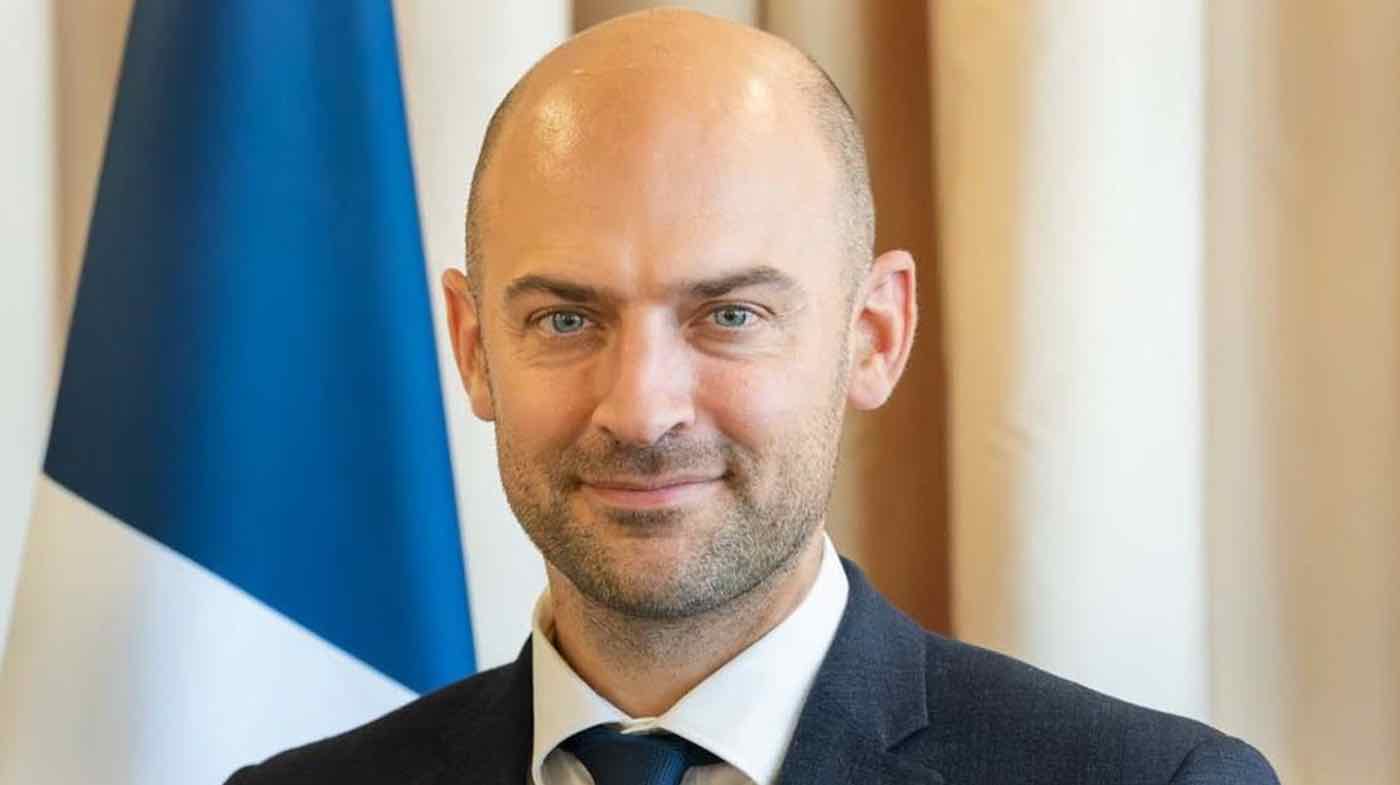
France has put a name to the sabotage of its chilled aisles. On the sidelines of a G7 foreign ministers' meeting in Paris on Monday 9 November, Jean-Noël Barrot said Iran's Islamic Revolutionary Guard Corps was responsible for the October cyberattack on refrigeration systems in French supermarkets.
The minister pledged sanctions at European level against everyone responsible for the attack. He added that Iran's ambassador had been summoned, describing the act as extremely serious.
Fridges pushed above 50°C
The attack dates back to 11 October. Hackers took over the controllers running refrigerated displays in Intermarché, Netto, Leclerc, Carrefour, Monoprix and Coopérative U stores, according to Reuters. The agency had reported more than 350 supermarkets hit; French authorities now put the toll at around 700 sites, specialist outlet The Record reports.
In some units, the temperature stayed above 50°C for hours. The result: entire stocks of food lost and at least 15 fires. The victims were not only the big chains: butchers, a slaughterhouse and food-processing cooperatives are also on the list. One supermarket owner estimates the nationwide bill could reach tens of millions of euros.
According to Reuters, the manufacturer of much of the targeted equipment acknowledges that some controllers were obsolete or ran outdated firmware. Experts say the intrusion looked easy to carry out.
The Shahid Kaveh unit in the spotlight
The attribution rests on a five-page report by France's national cyber crisis centre, which brings together cybersecurity agency ANSSI, the military's cyber command and the DGSE and DGSI intelligence services. It names Shahid Kaveh, a unit the United States has already linked, under the name CyberAv3ngers, to attacks on American water utilities. According to The Record, the same hackers also targeted Schneider Electric equipment at several small hydroelectric plants, causing moderate disruption.
The cyber section of the Paris prosecutor's office has opened a judicial investigation targeting the head of the unit, two of his deputies and other unidentified people. The prosecutor's office describes Shahid Kaveh as the offensive cyber unit affiliated with the electronic centre of the Revolutionary Guards. Prosecutor Laure Beccuau said international arrest warrants had been requested.
Tehran routinely denies carrying out malicious cyber operations. As of Monday evening, Iran had not publicly responded to the French accusations.
A second wave across Europe
The case reaches beyond France. In early November, a second wave of attacks on refrigeration systems hit businesses in at least 11 European countries, including British meat suppliers and three sites of the French national blood service. The French report does not cover that episode.
In the United States, cooling systems at at least six military stores failed in late August. Pentagon investigators are examining a possible cyberattack and working with French authorities, according to Reuters.
What next
Paris will push for European sanctions against those it has named. The judicial investigation continues in Paris, while the international arrest warrants sought by prosecutors target the head of Shahid Kaveh and his two deputies. On the American side, it remains to be established whether the failures at the military stores are linked to the attack on France.