COP31: still no deal at Sunday noon as Europe rejects an 'Antalya Pact' without fossil fuels
Two days after its scheduled close, the UN climate conference had still adopted nothing by midday on Sunday, 22 November. The Turkish presidency has tabled a third text that names neither oil, gas nor coal. The European Union told the plenary it does not support it as it stands.
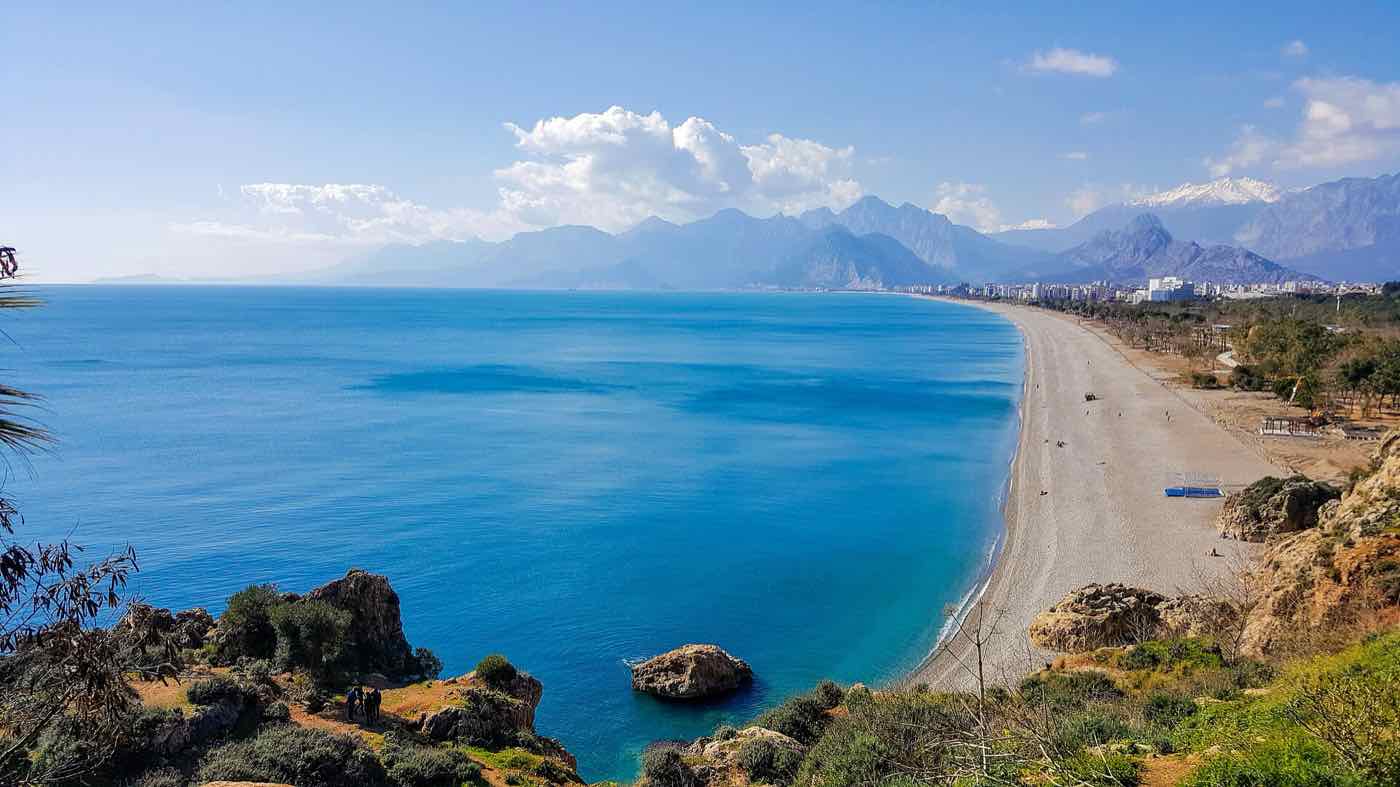
No deal, and no official breakdown either. At midday on Sunday, 22 November, COP31 in Antalya, Turkey, had still not adopted a final decision. The conference was due to end on Friday. It is now in its second day of overtime and closing in on the record set by COP25 in Madrid, which overran by 44 hours in 2019, according to the Belga news agency.
Overnight, the presidency published a third version of the draft decision. Ten pages, 94 paragraphs, and still no explicit mention of fossil fuels. Conference president Murat Kurum, Turkey's environment minister, nonetheless sounded confident in plenary: "We believe that we have put forward a text which all the parties can agree upon," he said, according to Al Jazeera.
Europe says no
The closing plenary, first set for 9am local time, was pushed back twice. When it finally resumed, after a revised version was posted, Irish climate minister Darragh O'Brien, speaking for the 27 member states, said the European Union did not support the "Antalya Pact" as it stands because it lacks an explicit reference to fossil fuels, Libnanews reports. That statement is not a vote, but adoption requires consensus.
An EU official quoted by Euronews had already called the text a step backwards in the morning and warned of a very real possibility of failure. French Ecological Transition Minister Monique Barbut also described it as a step backwards. "Time is ticking and we are not there yet," she warned, according to Al Jazeera.
What the text says
The draft merely refers, in its preamble, to the decision of COP28 in Dubai (2023), which called for a transition away from fossil fuels. It sets no phase-out timetable. According to Belga, it also proposes:
- raising electricity to 35% of final energy consumption by 2035, without requiring it to be clean;
- accelerating carbon capture and storage to gigatonne scale by 2035, a red line for some countries;
- an "Antalya-Addis Ababa" roadmap on adaptation finance, without putting a figure on the tripling promised in Belém. Developing countries wanted at least 120 billion dollars a year by 2035.
For the first time, the text would also acknowledge that warming is on course to exceed the 1.5C threshold, according to Al Jazeera.
Oil producers dig in, vulnerable countries disappointed
Saudi Arabia and other hydrocarbon producers oppose any new mention of fossil fuels, according to Euronews. On the other side, countries from the Pacific, Europe and Latin America insist they be named. Antigua and Barbuda's environment minister, Michael Joseph, said he was very disappointed with the text.
What next
Everything now hinges on the plenary. Another risk looms: many ministers have already left, and some delegates fear a quorum problem, according to Belga. Without consensus, COP31 could close without a final deal. EU climate commissioner Wopke Hoekstra has already said he would rather leave without an agreement than with a bad compromise, according to Radio-Canada.