France's 2027 budget: rejected by MPs, the bill reaches the Senate as Lecornu promises priorities
Thrown out by the National Assembly on 4 November (458 votes against, none in favour), the 2027 finance bill goes before the Senate on Friday 20 November. The government says Sébastien Lecornu will set out his compromise themes within days, but the prospect of a budget by decree looms.
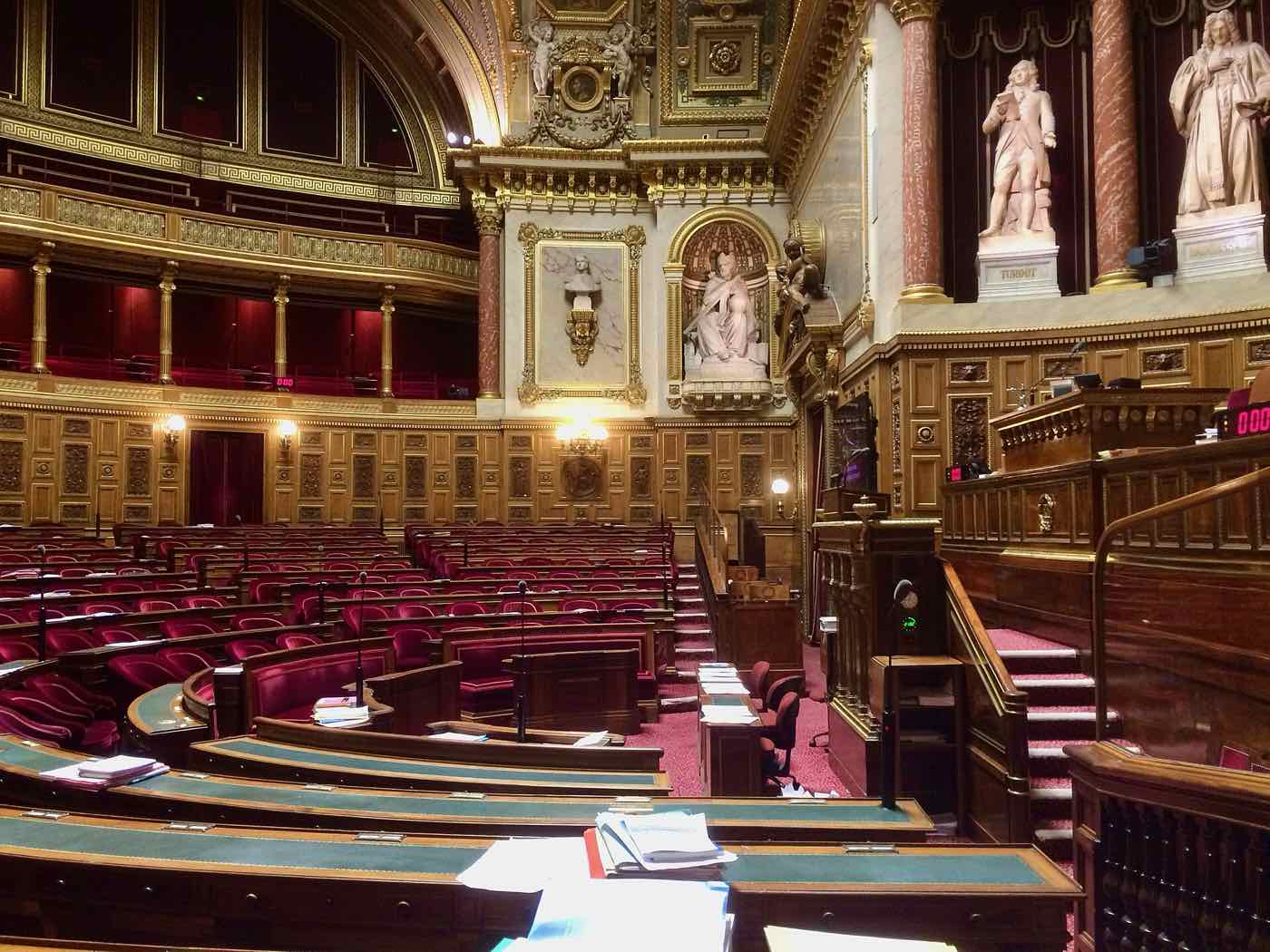
France's state budget is switching chambers. Flatly rejected by the National Assembly, the 2027 finance bill (PLF) reaches the floor of the Senate on Friday 20 November. Senators start again from the government's original draft: everything MPs voted in October vanished with the rejection.
The executive is promising movement. On Wednesday 18 November, Public Accounts Minister David Amiel said Prime Minister Sébastien Lecornu would, in the coming days, list the priority themes for discussion, according to AFP as carried by France 24.
Rejected by 458 votes to zero
The decisive vote took place on the evening of Wednesday 4 November. MPs threw out the first part of the bill, covering revenue, by 458 votes against and none in favour, with two Communist members abstaining. Without approved revenue, the spending part was never debated in the lower house, and the whole bill was sent to the Senate.
The rejection wiped out a pile of measures passed by shifting majorities: a Zucman tax on multinationals pushed by the left, a zero-interest loan for young couples backed by the National Rally, and a tougher tax on holding companies proposed by the MoDem. David Amiel had estimated that the MPs' version would have pushed the state deficit to 177.1 billion euros, or 5.9% of GDP instead of the government's 5% target.
In the Senate, dominated by the right and the centre, general rapporteur Christine Lavarde is aiming for around 6 billion euros of improvement on the government's draft, notably by scrapping the 10% tax allowance enjoyed by retirees, according to Journal du Coin.
The opposition wants concessions
The government says it wants a deal on both sides. Amiel said the aim was to forge a compromise with both the republican right and the republican left, within the framework of a 5% public deficit in 2027.
On the left, scepticism prevails. Socialist group leader Boris Vallaud said he had not seen the slightest opening from the government towards his party. In the Senate, Socialist Patrick Kanner called for at least the start of a negotiation to avoid the budget being forced through.
Economy Minister Roland Lescure described a French economy at a standstill after GDP fell in the third quarter, Sud Radio reports. Senate President Gérard Larcher called for a collective rally.
What comes next: joint committee, 49.3 or ordinances
The timetable is tight. Senators will examine revenue, then spending, until early December, with a vote on the whole bill scheduled for 9 December. A joint committee of seven MPs and seven senators will then try to agree on a common text, an outcome seen as unlikely given the balance of forces in the Assembly.
The executive has two other tools. Article 49.3, which would expose the government to a no-confidence motion and would require the Socialists or the National Rally to hold back. Or, if Parliament has not ruled in time, adopting the budget by ordinance, possible after midnight on 17 December, according to LCP. It would be a first. Several parliamentary and government sources believe, however, that this route would only allow the original text to be applied, without any negotiated changes.