Cost-of-living protests: 7,184 people held in custody, including 2,661 minors, says Darmanin
Questioned by MPs on Tuesday 17 November, France's justice minister detailed the criminal justice response to weekend protests against the cost of living since 17 October: 7,184 people taken into custody, 3,053 prosecutions, 466 prison sentences. He stands by the use of the organised crime classification.
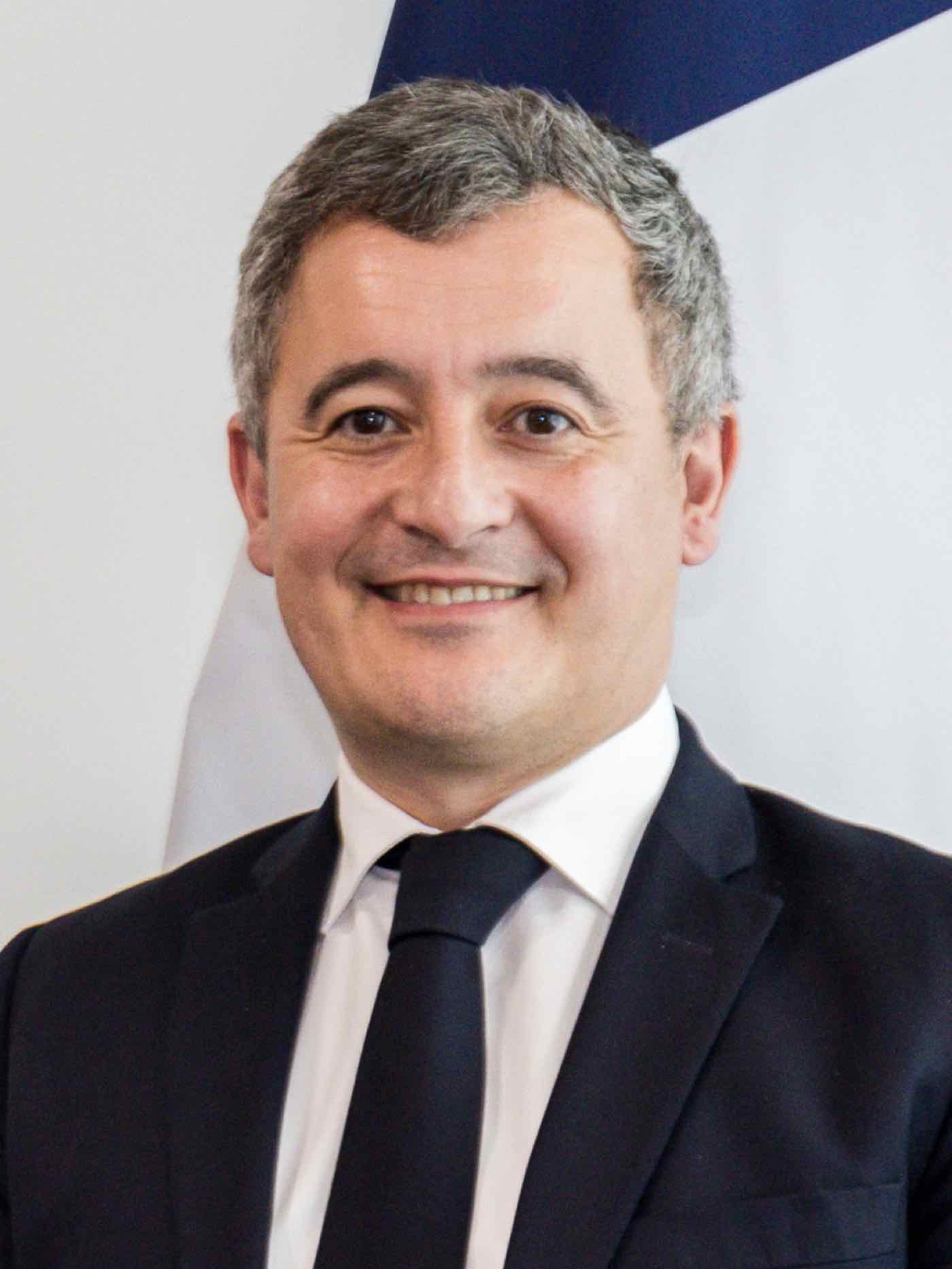
The judicial toll is massive. Before MPs on Tuesday evening, 17 November, Justice Minister Gérald Darmanin put figures on the criminal justice response to the protests against the cost of living that have shaken the country at weekends since 17 October: 7,184 people taken into police custody, including 4,523 adults and 2,661 minors.
The count covers every weekend of protest, including the most recent one, the minister said. According to TRT Français, two thirds of these custody placements relate to 17 October alone, a day marked by violence and looting in several cities.
Hundreds of prison sentences
Behind the custody figures, the justice system has been running at full speed. The minister reported 3,053 prosecutions and 2,301 referrals to a judge, according to LCP. Courts have handed down 466 prison sentences, 195 of them non-suspended; in 111 cases, the convicted person was jailed immediately under a committal order, according to TRT Français and Petites Affiches.
Darmanin was careful to separate these figures from those of the high-school student movement, which mobilised in parallel over conditions in schools. That movement led to around 8,000 custody placements, a comparable scale, but only three pre-trial detentions, all of young adults, for violence against police officers or education staff. LCP also mentions 1,513 alternative measures for students, such as citizenship courses.
There were two movements, the minister summed up, arguing that the events of 17 October went beyond the initial student mobilisation.
Organised crime classification defended
The hearing took place before the commission of inquiry set up by the National Assembly after the violence of 17 October, according to LCP. At the heart of the debate: the circular Darmanin sent to all prosecutors' offices on 19 October, asking them to apply the organised crime classification to the violence, looting and destruction.
That classification unlocks stronger investigative powers: 72-hour police custody, geolocation and intelligence techniques. The minister defended it by pointing to what the law says and to the penal code's definition of an organised gang. He insisted, however, that he never asked for pre-trial detention or prison terms for the high-school students, mostly minors, who were excluded from the scheme.
Asked about the word terrorism, he said he had only used it in the conditional, notably regarding the destruction of Limoges town hall. Public order policing, he added, is not a judicial matter and falls solely under the Interior Ministry.
Sceptical rapporteurs
The commission's two rapporteurs, Socialist Roger Vicot and Green Pouria Amirshahi, challenged that choice. Vicot sees it as a distortion of reality driven by communication, LCP reports.
Being held in custody is not a conviction: people who have been charged but not yet tried remain presumed innocent.
What happens next
The commission of inquiry's work, which is due to produce a report, continues. The figures presented by the minister remain provisional: they include each new weekend of protest, and many cases are still before the courts.