Ukraine: peace talks resume in Abu Dhabi, and Paris gets a seat in the room
American, Ukrainian and Russian negotiators reopened peace talks in Abu Dhabi on Tuesday after more than eight months of deadlock. France, Britain and Germany secured a presence, pressing a line the Élysée keeps repeating: there is no lasting peace without settling Europe's security.
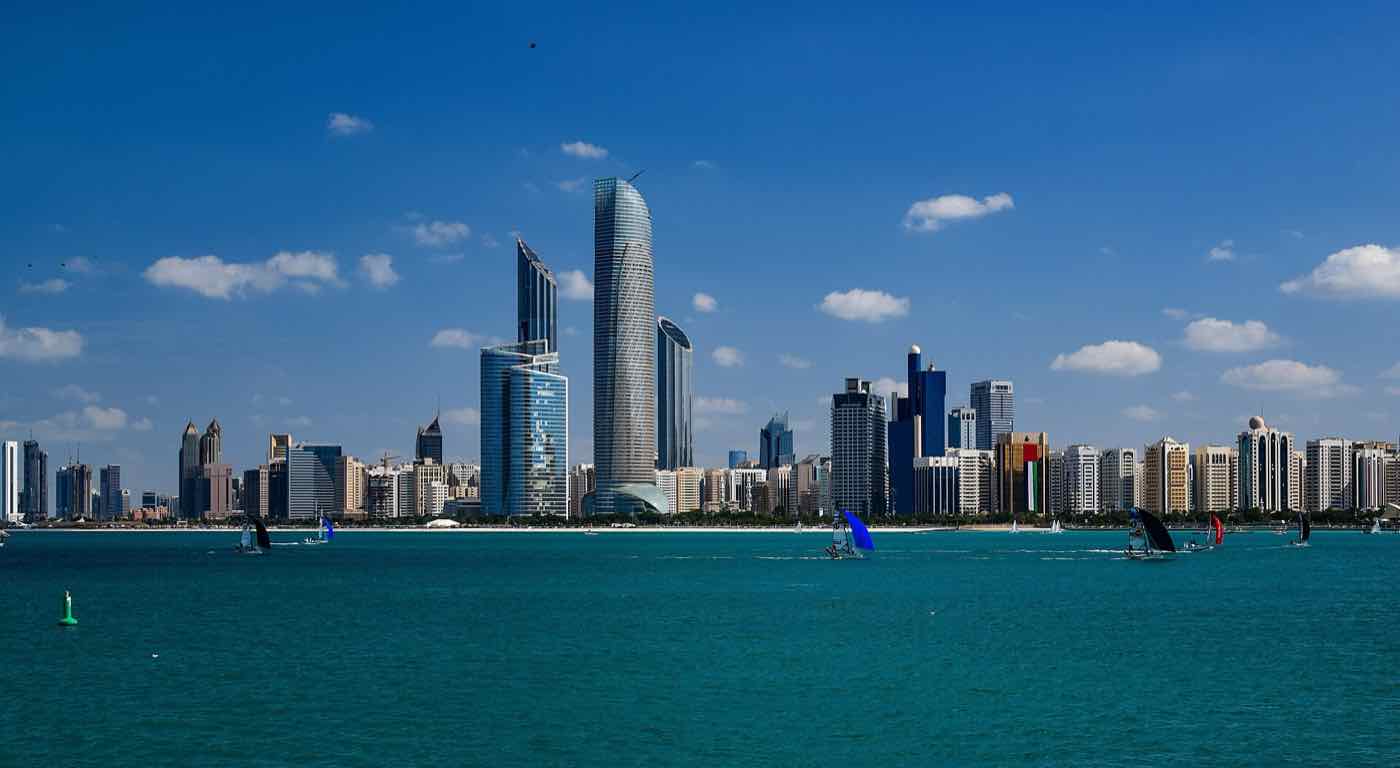
Eight months of silence, then the table is set again. Delegations from the United States, Ukraine and Russia resumed direct talks in Abu Dhabi, in the United Arab Emirates, on Tuesday, 10 November, in a fresh attempt to end the war unleashed by Russia's 2022 invasion. The closed-door talks are scheduled to last two days. The previous round, in Geneva in February, produced nothing of substance.
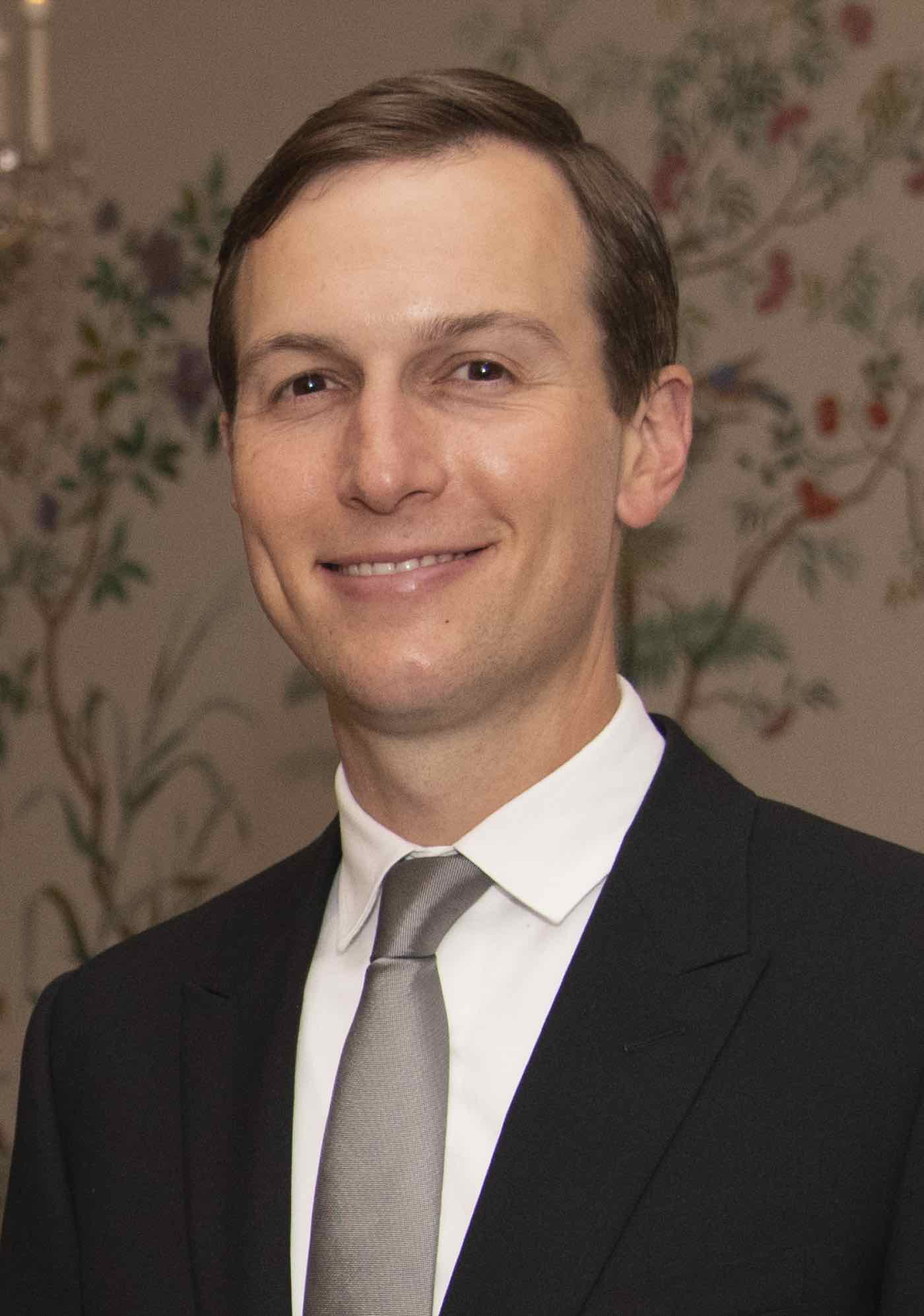
Washington is represented by Donald Trump's envoys Steve Witkoff and Jared Kushner. Kyiv sent its chief negotiator, Rustem Umerov. Moscow dispatched Vladimir Medinsky. President Volodymyr Zelensky, who is not attending, asked his team for a detailed report.
Europeans in the room
The day opened with a preparatory meeting between the Ukrainian team, the two US envoys and representatives of Britain, France, Germany, Italy, NATO and the European Commission. Rustem Umerov said the aim was to compare positions and coordinate actions.
Paris pushed hard for that seat. The French presidency argued on Tuesday morning that there can be no lasting peace in Ukraine without addressing European security. Foreign Minister Jean-Noël Barrot was even blunter, saying Britain, Germany and France would indeed be present in the meeting room. In his view, no discussion with Moscow on the continent's security should begin before a ceasefire.
Europeans and Americans issued a joint text committing themselves to a robust European security architecture and arrangements for the post-war period. Any future deal, it says, must respect Ukraine's sovereignty and territorial integrity and give it credible security guarantees.
Positions still far apart
Before the doors closed, Jared Kushner called for a new security framework covering Ukraine, Russia and Europe, beyond simply ending the fighting. On the Russian side, a delegation source quoted by Reuters described the Ukraine conflict as just one strand of a broader negotiation over the continent's security.
On substance, the gap remains wide. Moscow demands Ukraine's withdrawal from the whole of the Donetsk region and rejects any deployment of European troops. Kyiv refuses to give up that territory and insists on a ceasefire first, along with guarantees strong enough to deter another attack. The only recent positive sign: a local truce in the Kherson region, observed in late October, allowed humanitarian evacuations.
On the ground, the night brought no pause. Ukraine's grid operator Ukrenergo reported attacks on energy infrastructure in several regions.
Paris at the hub of the week
The diplomatic sequence runs through Paris. On Monday, the French capital hosted G7 foreign ministers under France's presidency. US Secretary of State Marco Rubio acknowledged progress on what a post-war security architecture could look like, while stressing that nothing had been finalised. On Tuesday morning, Jean-Noël Barrot received his Ukrainian counterpart Andrii Sybiha in Paris; Sybiha had also met Marco Rubio in the capital.
What comes next
Talks continue in Abu Dhabi on Wednesday. Washington has floated a broader multilateral format if progress is made, an idea the Kremlin rules out for now. Also on Wednesday, Danish Prime Minister Mette Frederiksen hosts Volodymyr Zelensky and the Nordic leaders for talks on air defence and energy security.