Off-peak power: 9.3 million French homes get new hours from 1 December
Grid operator Enedis is launching the second phase of its off-peak hours reform: from 1 December, 9.3 million customers will see their cheaper-rate hours vary between winter and summer. The goal is to shift consumption to the afternoon, when solar panels run at full tilt.
Off-peak hours will soon differ between January and July. Enedis confirmed this week the timetable for the second phase of its reform: from 1 December 2026, around 9.3 million customers, households and businesses alike, will gradually switch to off-peak hours that change with the seasons. The rollout will run until the end of October 2027.
Every household keeps 8 off-peak hours a day, including at least 5 consecutive hours at night. It is the remaining hours that can move into the daytime.
The new rules
In winter, from 1 November to 31 March, no off-peak hour may fall between 7 am and 11 am, or between 5 pm and 9 pm, the two daily consumption peaks. In summer, from 1 April to 31 October, the excluded slots become 7 am to 10 am and 6 pm to 11 pm.
In practice, each home's off-peak hours will be chosen within the permitted windows: 11 am to 5 pm and 9 pm to 7 am in winter, 10 am to 6 pm and 11 pm to 7 am in summer, JeChange explains. They may differ from one building to another, or even between flats.
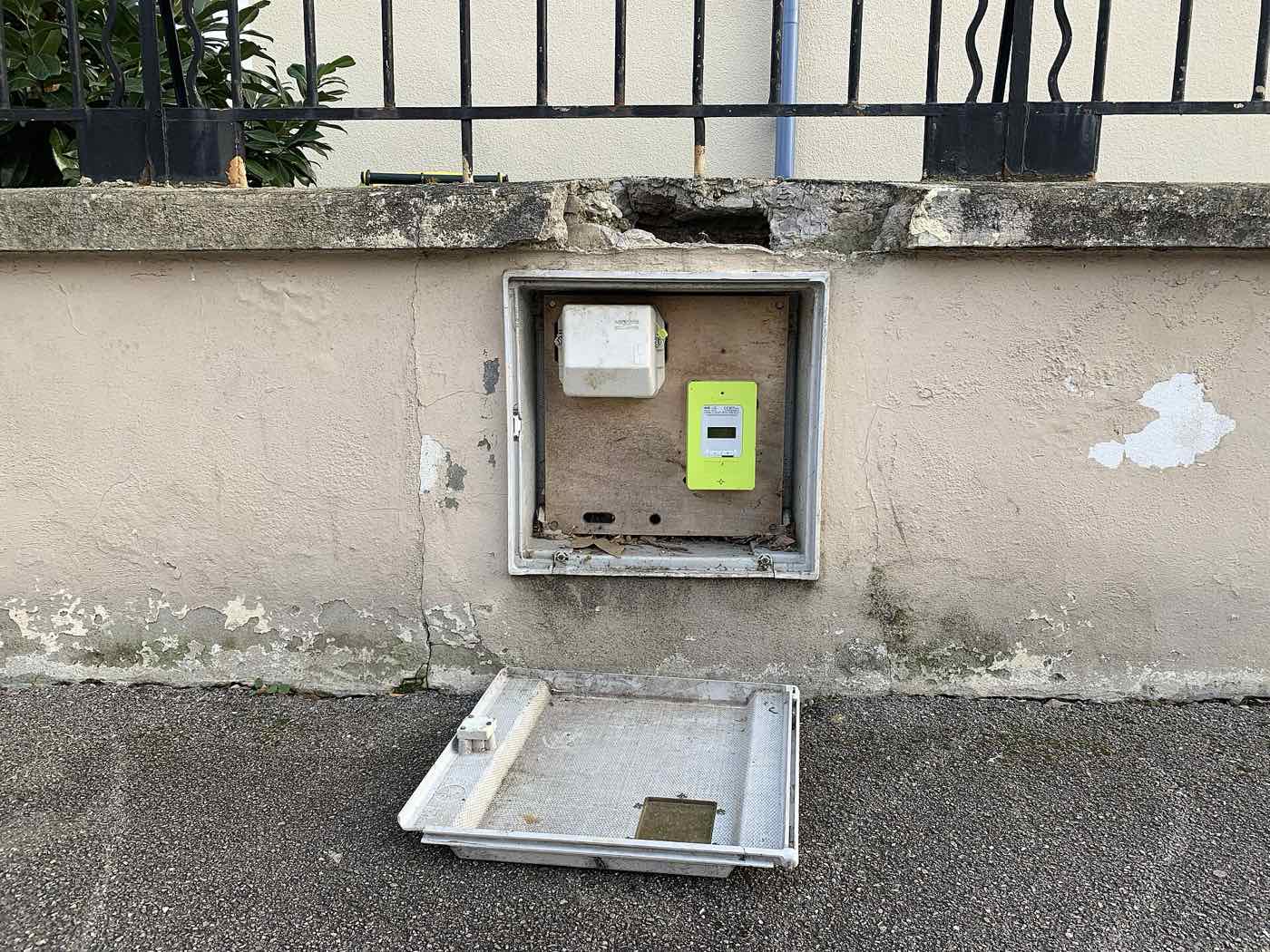
Customers do not need to do anything: the switch is made remotely through the Linky meter, with no change of contract. Suppliers must notify each customer at least one month in advance. However, programmed appliances such as water heaters, electric car chargers or washing machines will need to be reset to the new hours.
Why the big shake-up
Off-peak hours date back to the 1960s: they were meant to shift part of consumption to the night as nuclear power ramped up. But the sun has changed the game. In summer, solar output is plentiful in the afternoon, Enedis explains, and electricity is then more available and cheaper.
The first phase, completed in the spring, covered 1.7 million customers and shifted around 1 gigawatt of consumption to the afternoon, equivalent to the consumption of Paris, according to the grid operator. Enedis is ultimately aiming to shift about 5 gigawatts during the sunny months.
What it means for bills
The price per kilowatt-hour does not change: only the hours at which it applies. Under the regulated tariff in force since 1 August, a kWh costs 15.89 cents in off-peak hours against 21.42 cents in peak hours, JeChange notes. Every kWh used by mistake in peak hours therefore costs 5.53 cents more.
What happens next
The first households switch on 1 December. The first summer-style afternoon off-peak hours will arrive on 1 April 2027, and a reminder is planned before then for customers who have already switched. For heavy users, it is a chance to check whether the off-peak option still pays off.