Nuñez refuses to give up grenades and tear gas as first witness at 17 October inquiry
Questioned by MPs on Monday evening about injuries to secondary school pupils, Laurent Nuñez warned that he would not give up any intermediate means of force. On Tuesday, the interior minister is the first to be heard by the parliamentary inquiry into the day of chaos on 17 October.
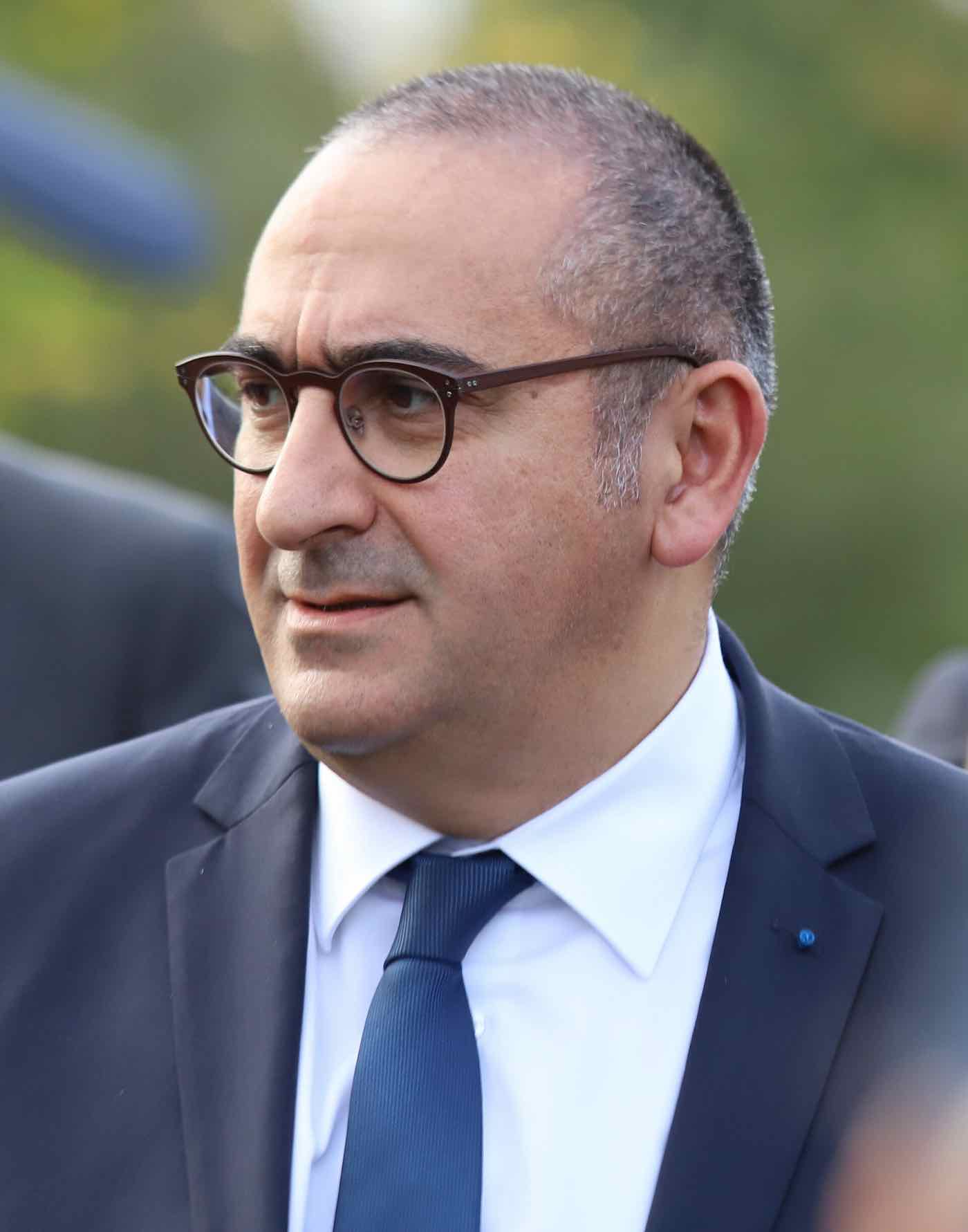
No backing down. Facing MPs on the law committee late on Monday 2 November, Laurent Nuñez ruled out giving up grenades and tear gas, despite the serious injuries suffered by secondary school pupils during the protests of recent weeks.
The interior minister said he would not give up any intermediate means of force, for the simple reason that police officers need to defend themselves when they are attacked.
The minister had come to defend his ministry's funding in the 2027 budget, up 3.5%. The "Security" mission (police, gendarmerie, civil protection, road safety) is due to receive €18.2 billion excluding pensions, with around 1,400 additional posts, according to LCP. But the hearing quickly shifted to policing of protests.
Repression does not exist
La France insoumise MP Gabrielle Cathala denounced what she called police repression. The minister's curt reply was that repression does not exist, and that the police are there to prevent public disorder. Laurent Nuñez says he only intervenes in the face of violence, targeting those who, in his words, smash shop windows, attack the police and throw Molotov cocktails.
Asked about menstrual disorders reported by female protesters after exposure to the gas, he said he was not aware of tear gas being harmful, citing studies carried out in 2021-2022. The minister concluded that he would not suspend the use of tear gas on the basis of the precautionary principle.
That stance contrasts with the gesture he made in early October. On 7 October, after a 15-year-old pupil had his hand torn off in Lens, Laurent Nuñez suspended the use of stun grenades, solely in the context of the school protest movement, while light was shed on the incident. At the time he mentioned 18 investigations opened by the IGPN, the police watchdog.
He slipped in another announcement during the hearing: technical discussions are under way with the Taliban authorities so that Afghans in an irregular situation can be sent back, as Germany does. Green MP Léa Balage El Mariky saw this as the beginning of a normalisation of diplomatic relations with the Kabul regime.
First witness at the inquiry
On Tuesday, Laurent Nuñez is back before MPs, this time as the first person heard by the parliamentary inquiry into 17 October, a day marked by damage, violence and looting of unprecedented intensity. The inquiry was launched by the President of the Assemblée nationale the day after the events.
Its chairman, Ensemble pour la République MP Vincent Caure, promises to scrutinise the blind spots in preparations, the failure of local intelligence and the rules of engagement given to the police. His line, as summed up to Le Parisien and reported by BFMTV, is no taboos, but no circus.
The inquiry is starting amid tension. The Rassemblement national, which did not obtain any rapporteur posts, is boycotting its work, and Horizons MP Agnès Firmin Le Bodo stepped down as co-rapporteur on 30 October, denouncing the way roles had been allocated.
What next
From Wednesday, the inquiry will hear representatives of shopkeepers whose businesses were looted in Paris, Lyon, Marseille and Bordeaux. Mayors of affected cities, such as Limoges, and prefects could follow. The work could continue until the end of the parliamentary session, scheduled for February because of the presidential election.
More in Politics