2027 budget: 1,450 amendments to go, revenue section headed for rejection
MPs resume their scrutiny of the 2027 finance bill on Monday. With no majority and no compromise in sight, the Lecornu government faces the likely rejection of the revenue section, followed by the spectre of Article 49.3 or ordinances.
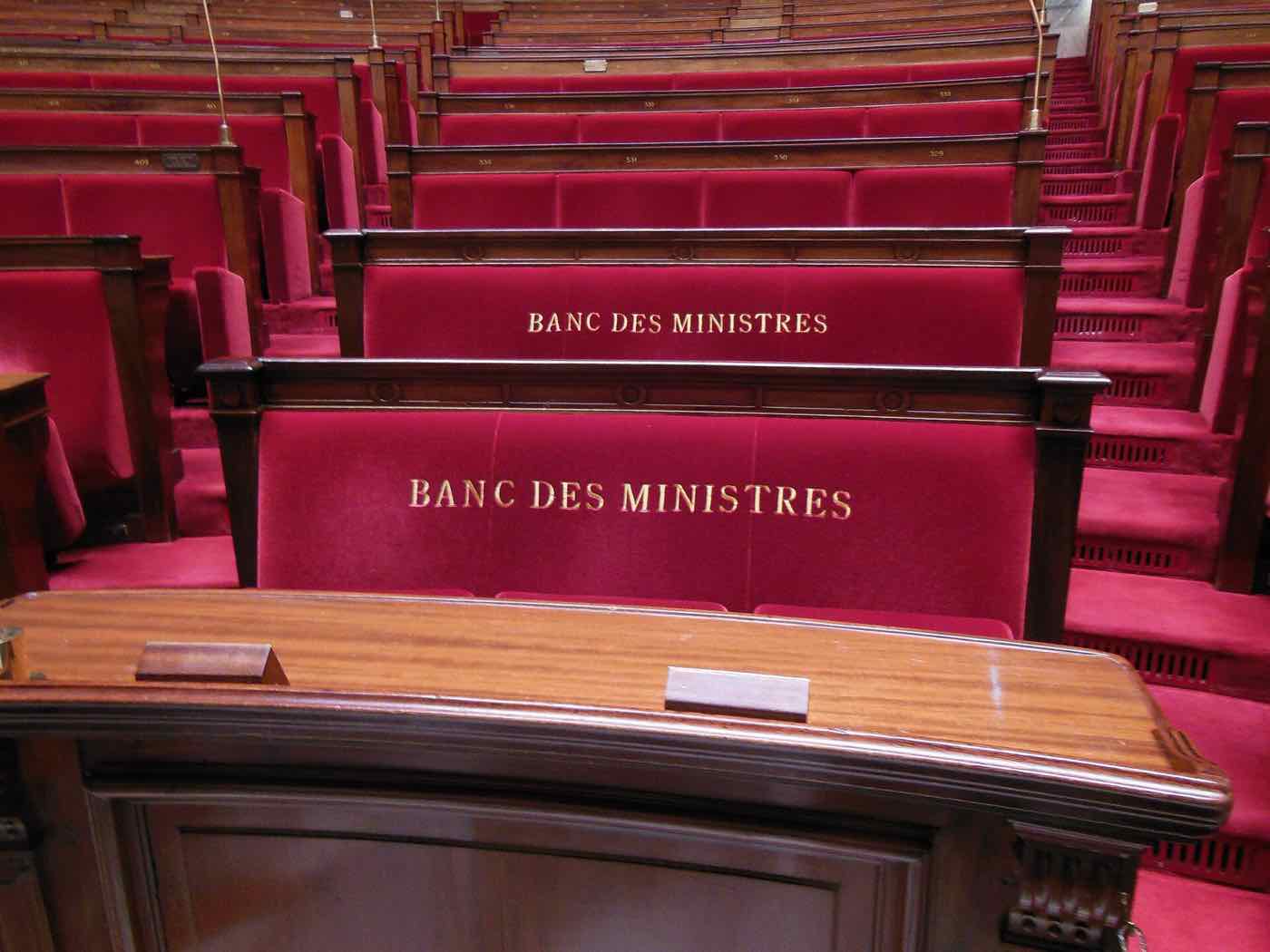
Back in the chamber on Monday morning, and still no way out of the crisis in sight. At 9am the Assemblée nationale, France's lower house, reopens work on the finance bill (PLF) for 2027, the last budget of Emmanuel Macron's second term. Sébastien Lecornu's government has no majority, and nobody is betting any more on the bill being adopted by a vote.
A bill unpicked by MPs
Since debate opened on 13 October, 1,943 amendments have been reviewed. Around 1,450 are still on the table, according to LCP. The formal vote on the revenue section is scheduled for Tuesday 3 November, after questions to the government. But at the current pace that timetable looks out of reach, and the vote would slip by a few days.
In the meantime, MPs have heavily rewritten the Finance Ministry's draft, often against the executive's wishes:
- Surtax on large companies scrapped, by 79 votes to 77. In its 2027 version it was meant to apply to around 400 groups and raise €5 billion, compared with an estimated €7.3 billion in 2026.
- Anti-tax-avoidance mechanism for multinationals adopted by just two votes (74 to 72), on a Communist amendment.
- Tax on internet data traffic backed by the Socialists: €0.055 per gigabyte, opposed by the government.
- €100,000 zero-interest loan for young couples, voted through at the initiative of the RN.
One rare cause for satisfaction for the executive: the adoption of the Papin pact, which makes it easier for employees to take over SMEs.
Why these votes may evaporate
The scenario parliamentary observers consider most likely is a rejection of the revenue section, as already happened with the Social Security budget. In that case, MPs would not even examine the spending section, and the Senate would inherit the government's original version. All the amendments passed since mid-October would fall at a stroke, including the scrapping of the surtax.
The Constitution gives MPs until midnight on 17 November to vote at first reading.
49.3, ordinances: the options on the table
Several routes remain open to Matignon, the Prime Minister's office. Using Article 49.3, which forces a bill through without a vote, would expose the government to a no-confidence motion, whose adoption would also sink the bill. The Speaker of the Assemblée, Yaël Braun-Pivet, and the general rapporteur, Philippe Juvin, have argued for using 49.3 at first reading, without success so far.
Another weapon, never used before: budget ordinances. If Parliament has not reached a final decision 70 days after the bill was tabled, that is by midnight on 17 December, the executive could implement its budget by this means. According to LCP, Sébastien Lecornu could also refuse this time to go through a temporary special law.
The Finance Ministry piles on the pressure
The government is aiming to bring the public deficit down to 5% of GDP in 2027, from 5.4% this year. Economy Minister Roland Lescure raised the stakes last week on France Info, saying the French economy had stalled in 2026 after three quarters without growth. Public Accounts Minister David Amiel, for his part, warned that additional efforts would be needed compared with the original bill.
Next step: debate continues all week, with a vote on revenue expected on Tuesday at the earliest.
More in Politics