"Martyr of the A10": 39 years on, Inass's parents face the assize court in Blois
The trial of Halima El Bakhti and Ahmed Touloub, the parents of the little girl found dead beside the A10 motorway in 1987, opened on Monday before the Loir-et-Cher assize court. Both deny responsibility for the child's death.
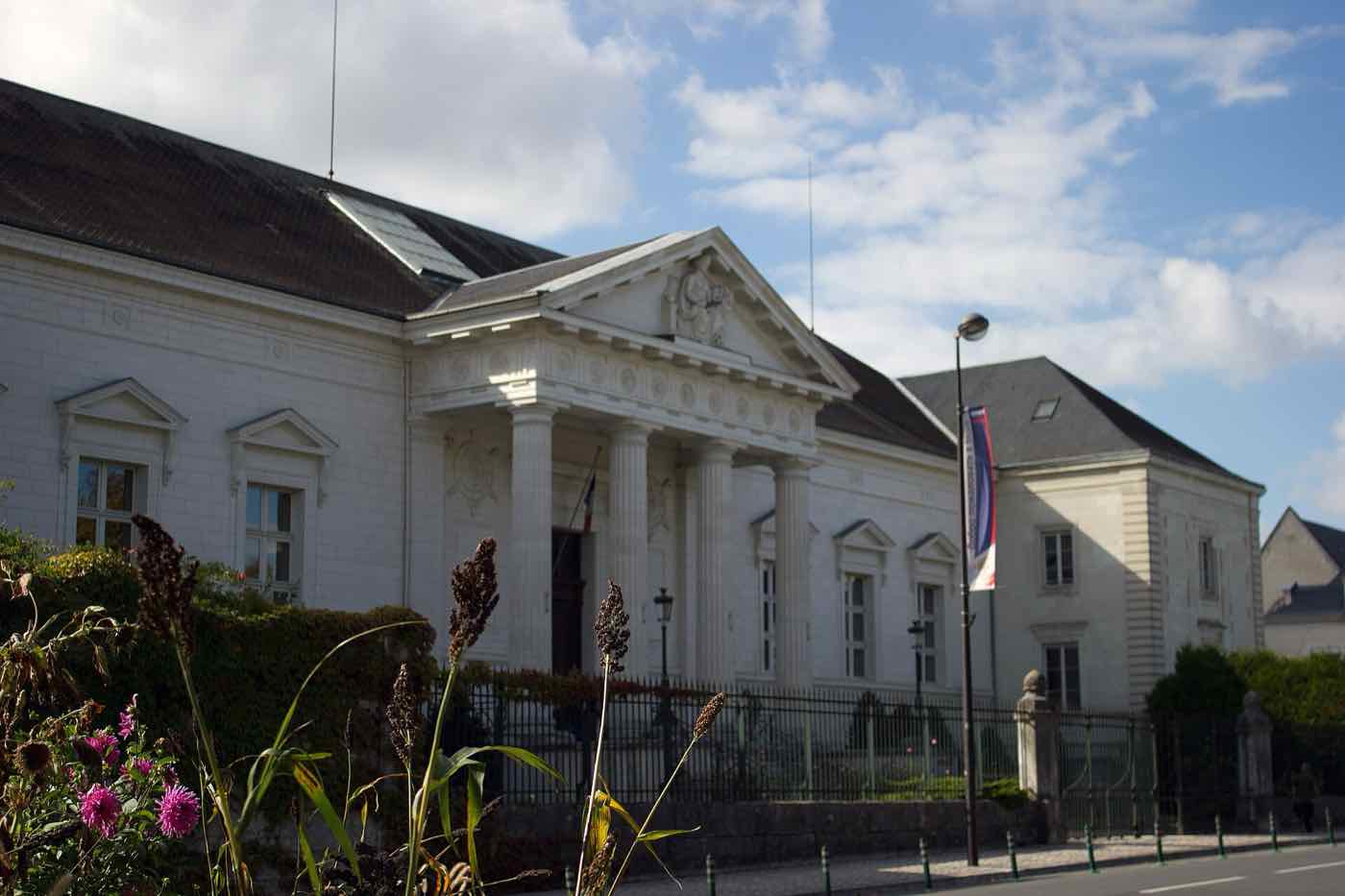
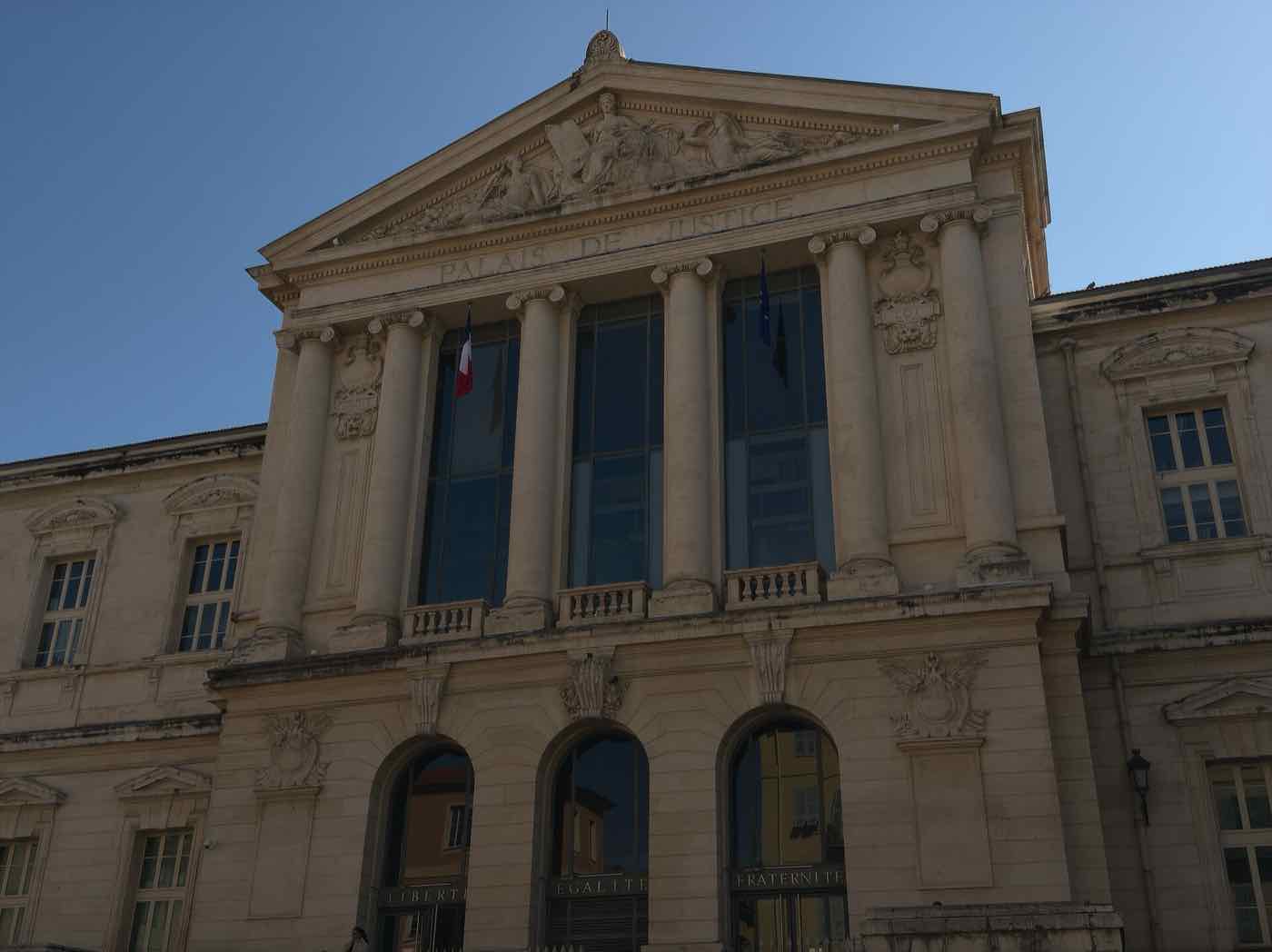
Nearly four decades of waiting, and at last a courtroom. On Monday 2 November, the Loir-et-Cher assize court in Blois opened the trial of the parents of Inass Touloub, the 4-year-old girl known for thirty years only by the nickname "the little martyr of the A10".
In the dock are two former spouses, now in their seventies. Halima El Bakhti, 72, is being tried for acts of torture and barbarity resulting in death without intent to kill. Ahmed Touloub, 74, is on trial for complicity in those acts. Both face life imprisonment. They are presumed innocent and appear in court free, under judicial supervision.
A highly tense morning
The first day was marked by incidents. The mother's lawyer, Camille Radot, said that he and his client had been followed, insulted and threatened by a group of people near the courthouse, to the point that police had to intervene and evacuate the defendant in a vehicle.
He said there was a justice system and that it was exercised inside the courtroom, not outside the court.
Advocate general Stéphane Javet announced that a criminal investigation had been opened into these events, reiterating that the defendants were entitled to a fair trial. Six men and four women were drawn by lot to make up the jury.
The court also ruled inadmissible the request by the municipality of Suèvres, which wanted to join the proceedings as a civil party. The village buried the child in 1987 and has tended her grave ever since. Inass's brothers and sisters, themselves civil parties, had firmly opposed the request.
Thirty years without a name
On 11 August 1987, the body of a little girl wrapped in a blanket was found behind the crash barriers of the A10 at Suèvres, on the Paris-to-provinces carriageway. It bore multiple burns, bite marks and wounds. No one claimed the child.
Successive investigations ended with the case being dismissed in 1991, then closed again in 1997. Gendarmes from the Orléans criminal investigation unit relaunched DNA analyses from 2006. The breakthrough came in 2017: the genetic profile of a man convicted in northern France matched a trace taken from the blanket. He was the victim's brother. The parents were arrested in June 2018.
Two conflicting accounts
According to the report read out by the presiding judge, the mother admits to violence against her daughter, without being able to specify it, but denies inflicting burns or bites on her and disputes having caused her death. She maintains that the child died in the car, on the way to a holiday in Morocco. The father says he found his daughter lifeless when he came home and claims he was unaware of the abuse. Since their arrest, the former spouses have blamed each other.
The eldest of the children, aged 9 at the time, described to investigators a mother prone to fits of violence.
What next
The hearings are due to last around twelve days. Former Blois public prosecutor Frédéric Chevallier, in post when the girl was identified, hopes the trial will shed light on the case. Speaking on ICI Orléans, he said answers would have to be provided.
The verdict is expected at the end of these hearings, in which Inass's six brothers and sisters are civil parties.