Prix Goncourt 2026: Philippe Jaenada wins for L'inconnue du quai de Javel
The 62-year-old writer won the Goncourt by six votes to three over Sylvain Prudhomme on Tuesday at Drouant. Shortly afterwards, the Renaudot went to François-Henri Désérable for Le Palais.
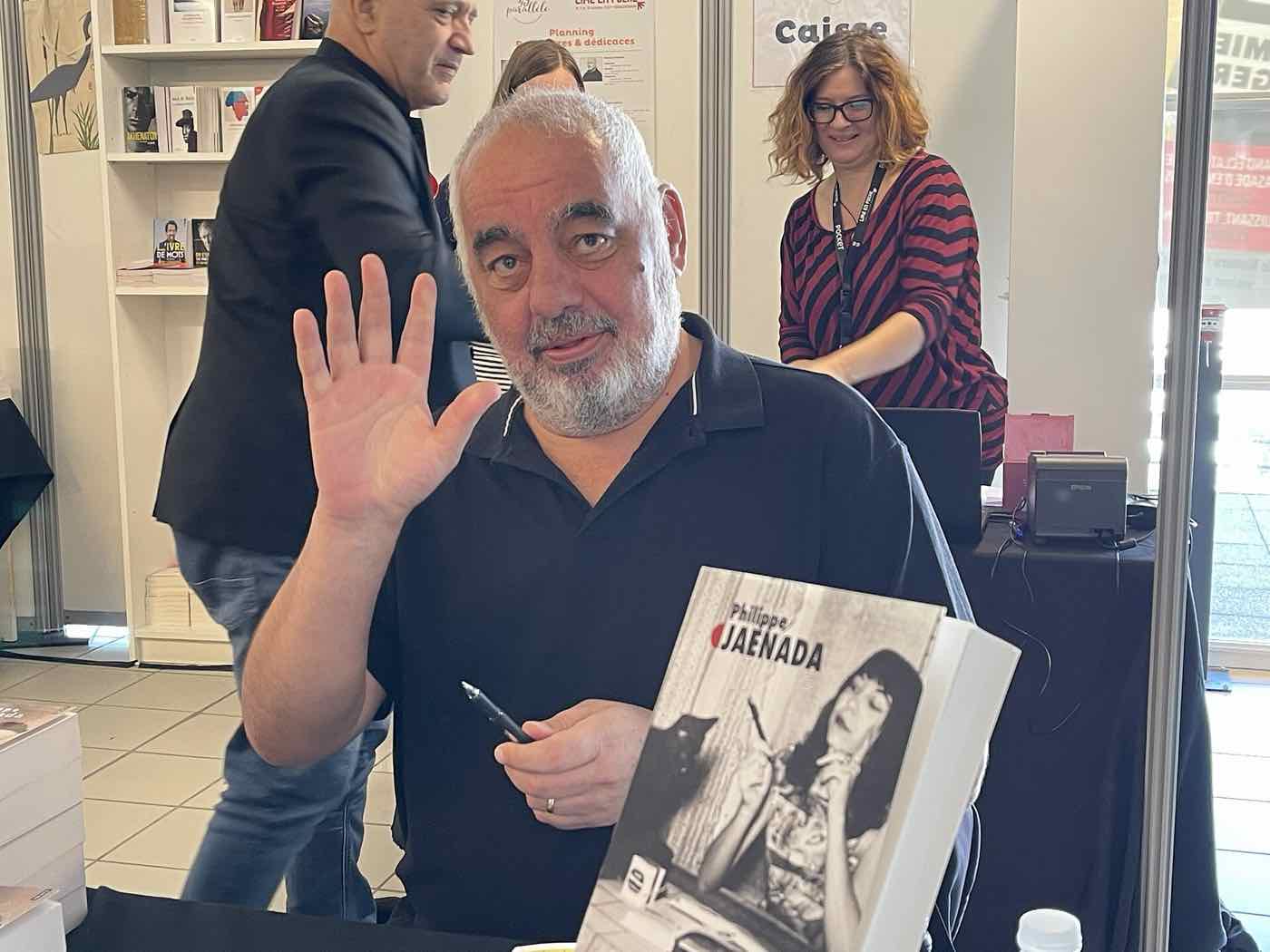
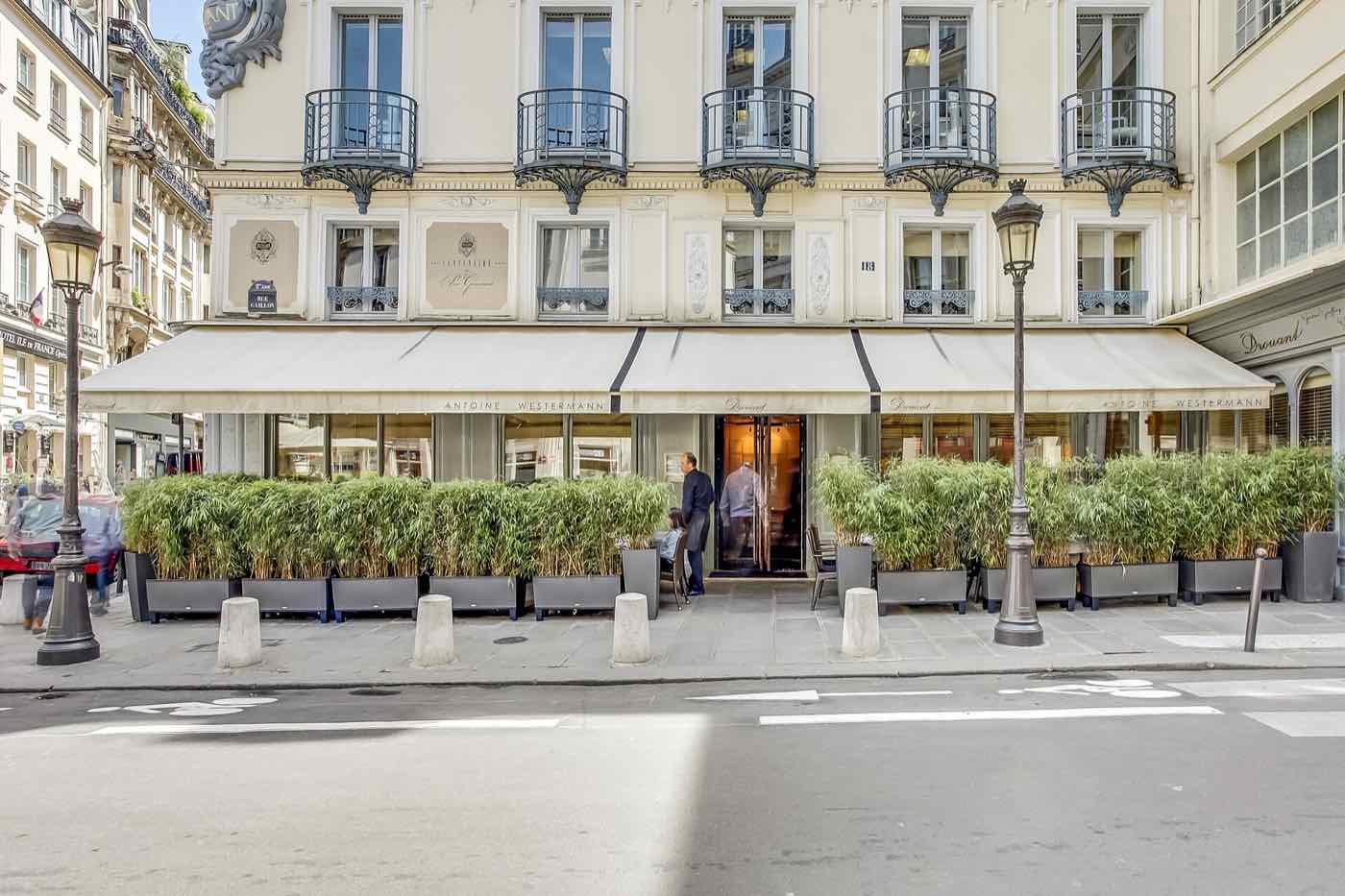
It is done. Philippe Jaenada has won the 2026 Prix Goncourt. The Académie Goncourt named him on Tuesday 3 November, shortly before 1pm, at the Drouant restaurant in Paris, for L'inconnue du quai de Javel (Flammarion). According to Livres Hebdo, he won by six votes to three over Sylvain Prudhomme (De l'autre côté du lac, Minuit).
The two other finalists, Yannick Haenel (La solitude des professeurs est infinie) and Clémentine Mélois (Choses que je croyais perdues, L'Arbalète/Gallimard), went away empty-handed. Jaenada succeeds Laurent Mauvignier, who won in 2025 for La Maison vide.
A cold case from 1949
The 528-page book, published on 12 August, reopens a forgotten criminal case. On 6 September 1949, a young woman was found dead on the banks of the Seine, at the Quai de Javel. She was identified as Louise Cansot, 29, a well-known Montparnasse model. Four suspects emerged, but the case was closed without anyone being found guilty.
More than seventy years later, the author reopens the investigation using court archives and the press of the time, drawing inspiration from Simenon's Maigret novels, and puts forward his own theory about the killer's identity. True to form, he blends investigation, historical narrative and long personal digressions. The novel had already sold nearly 60,000 copies before the prize, according to Livres Hebdo.
The true-crime specialist
Born in 1964 in Saint-Germain-en-Laye, Philippe Jaenada won the Prix de Flore in 1997 for his first novel, Le Chameau sauvage. He went on to establish himself as the investigator of great French criminal cases: Sulak (2013), about the robber Bruno Sulak, La Petite Femelle (2015), about Pauline Dubuisson, then La Serpe (2017), about the triple murder at the Château d'Escoire, which earned him the Prix Femina. He had already been on the Goncourt shortlist in 2024 with La Désinvolture est une bien belle chose. L'inconnue du quai de Javel marks his move to Flammarion.
A year under strain
The jury, chaired by Philippe Claudel, sat with only nine members this year, following the death of Didier Decoin on 5 August. The season had been shaken by the withdrawal, on 25 September, of Thélyson Orélien's novel, which the Académie considered, according to ActuaLitté, very probably produced largely by artificial intelligence, something the author disputes. The eight titles on the second shortlist were then run through an AI detector.
The cheque remains symbolic, at €10, but the effect in bookshops is massive: Laurent Mauvignier's book is approaching 570,000 copies, according to Edistat figures quoted by ActuaLitté.
The Renaudot goes to Désérable
A few minutes later, in the same restaurant, the Renaudot jury, which is celebrating its centenary, crowned François-Henri Désérable for Le Palais (Gallimard), by six votes to four over David Djaïz (La méthode, Stock). The novel follows Arun Kumar, a wealthy forger who sells fake fine wines to collectors. It has already sold more than 50,000 copies. Born in Amiens in 1987, the author won the Académie française's Grand Prix du roman in 2021.
The Renaudot for non-fiction was awarded jointly to Jean-Paul Enthoven (Dictionnaire amoureux du bonheur) and Christophe Ono-dit-Biot (L'Odyssée de l'Odyssée, Grasset). The choice of Enthoven comes after accusations of borrowing made by philosopher Frédéric Schiffter, reported by ActuaLitté.
Next up in the season: the Goncourt des lycéens, expected on 26 November in Rennes.